Here are seven kinds you're most likely to see, what each claims to do, and how courts have treated them. This is general information, not legal advice.
- Affidavit of truth or declaration of status
- Notice with a response deadline
- Fee schedule
- “Private default judgment”
- UCC-1 financing statement
- Lien or deed recorded against property
- Bill of exchange or payment coupon
First, check whether it came from a court
A complaint, summons or motion with a case number, filed in an actual court, carries real deadlines, however strange the wording. If you've been named in a lawsuit, contact a lawyer or your organization's counsel promptly. Most of the documents below are different: private papers made to look like legal process.
1. Affidavit of truth or declaration of status
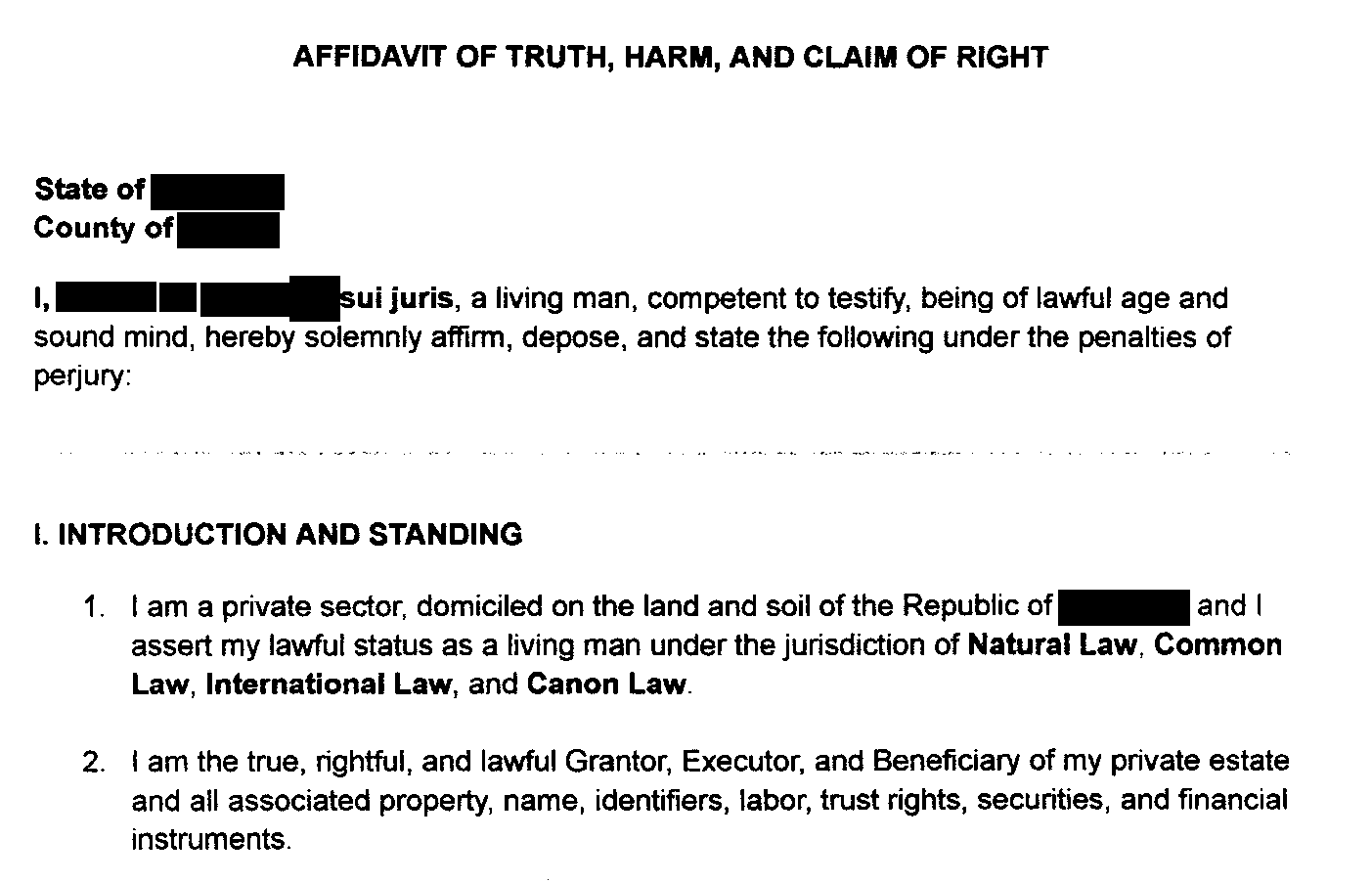
What it claims: That a sworn statement changes the writer's legal status, and that everything in it stands as fact unless rebutted point by point.
How courts treat it: A person can't opt out of the law by declaration. In a case involving an “Affidavit of Truth” and a “Declaration of Status,” a federal court wrote that the filer's “affidavit and declaration to prove as much have no legal effect.” Rodriguez v. Shamburger (S.D. Tex. 2024).
An affidavit is an ordinary legal document, and most are legitimate. What marks these is what they claim: that a sworn statement can change the writer's legal status or place them outside the law.
2. Notice with a response deadline
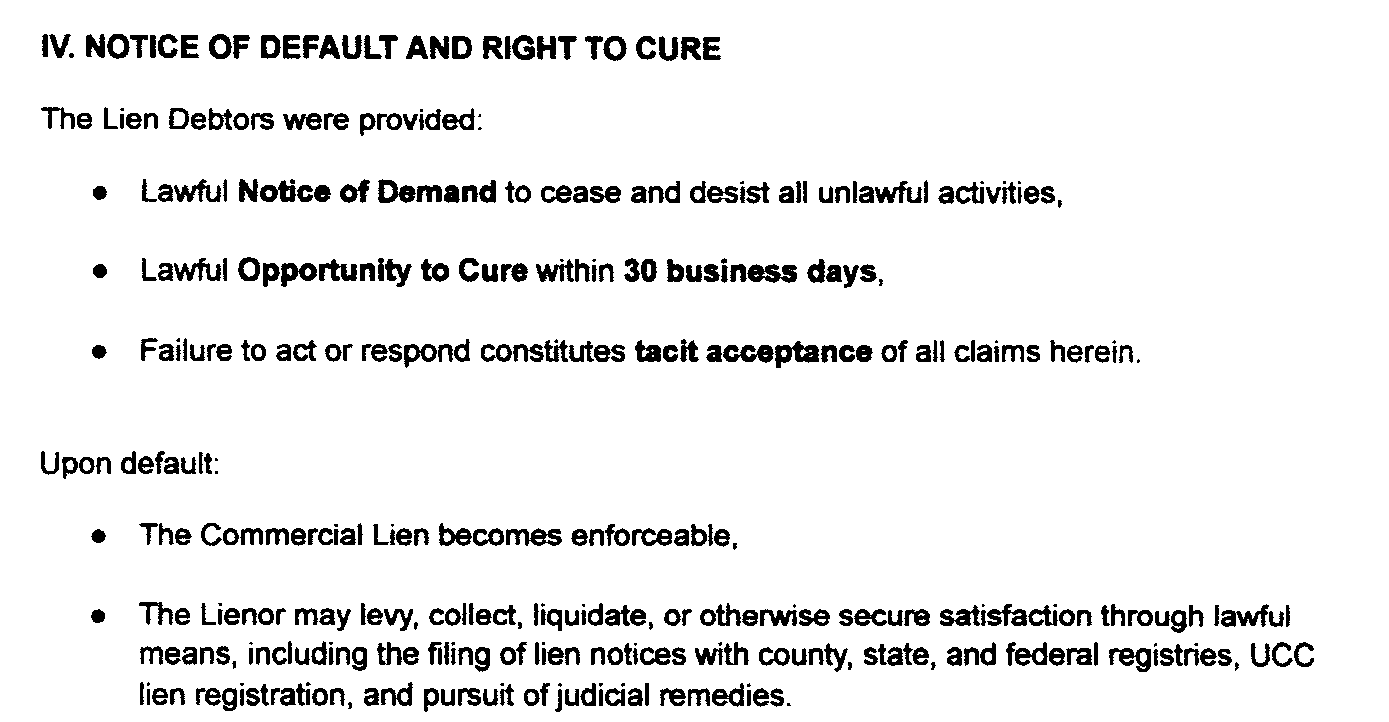
What it claims: That if you don't answer within a set number of days, you've agreed to the sender's terms.
How courts treat it: Silence is generally not agreement. Addressing documents that demand a response by a deadline or else face consequences of the author's own making, a federal court wrote: “Such tactics do not create valid legal documents.” Santiago v. Century 21/PHH Mortgage (N.D. Ala. 2013).
3. Fee schedule
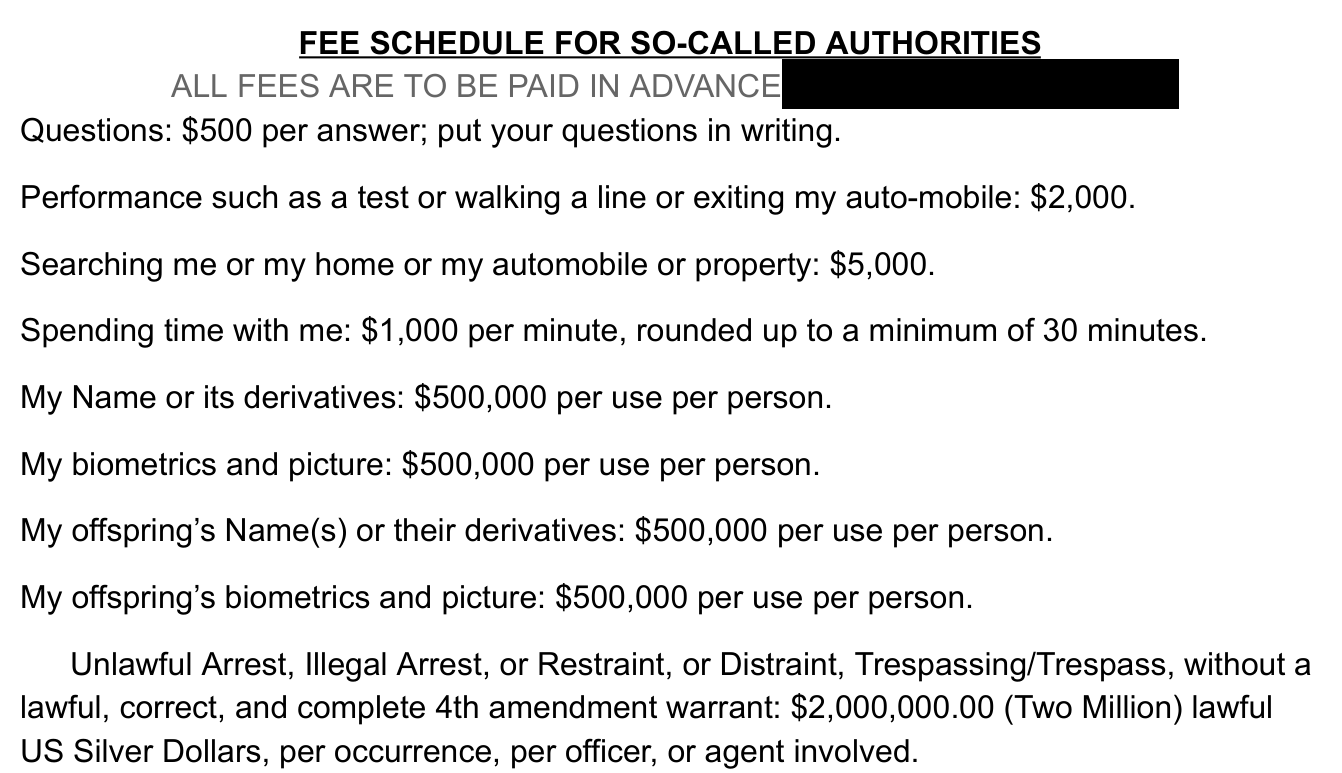
What it claims: That anyone who questions, stops or names the sender has accepted a contract and owes the listed fee.
How courts treat it: There's no contract, because no one agreed to it. Fee schedules matter mostly because they're sometimes used later as the supposed basis for a lien.
Fee schedules tend to be long, with fees in the hundreds of thousands or millions of dollars. Many are templates copied from the internet.
4. “Private default judgment”
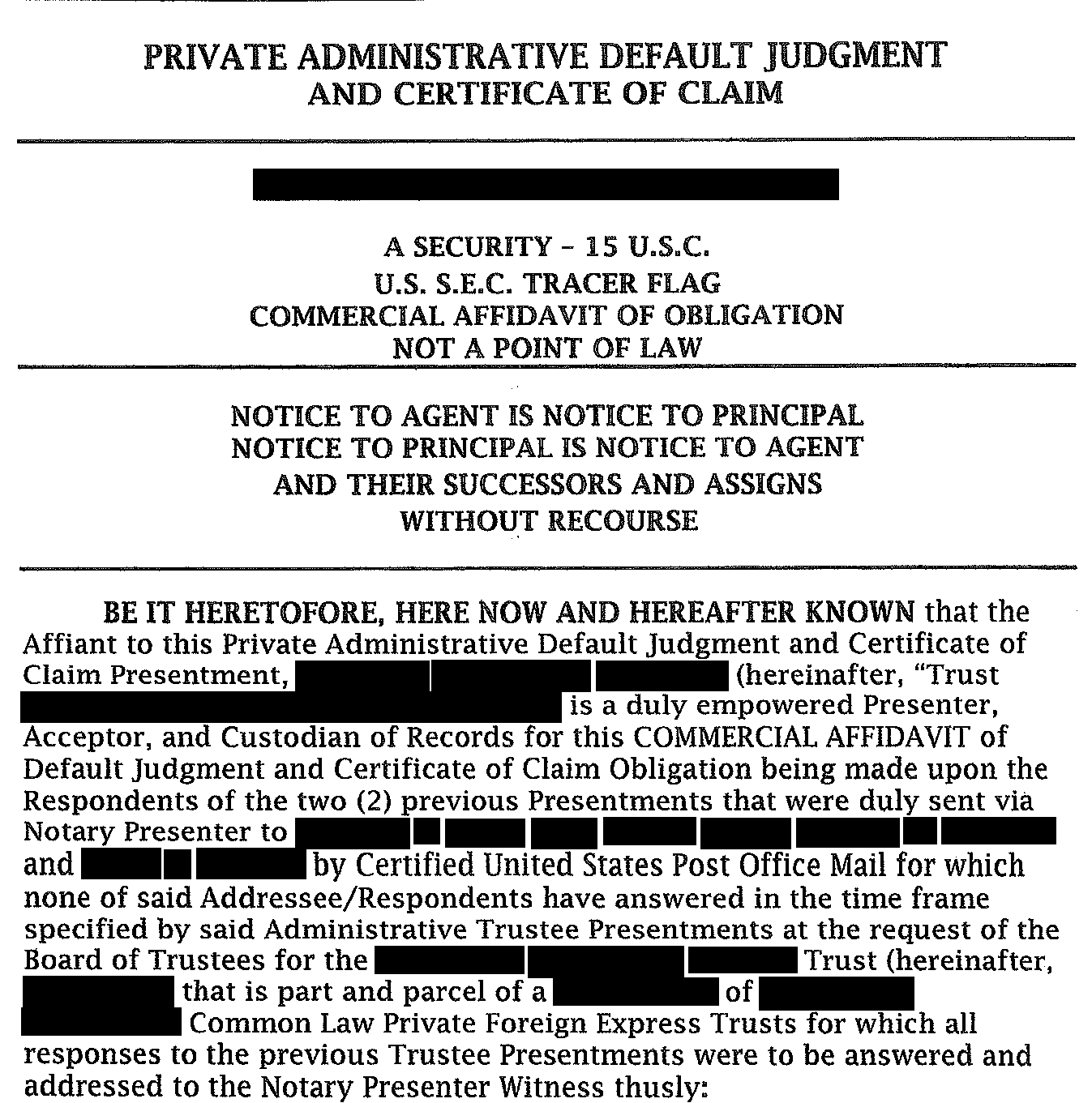
What it claims: That because you didn't answer earlier mailings, a judgment now stands against you.
How courts treat it: Only a court can enter a judgment. A notary or a private “tribunal” cannot decide a dispute.
5. UCC-1 financing statement
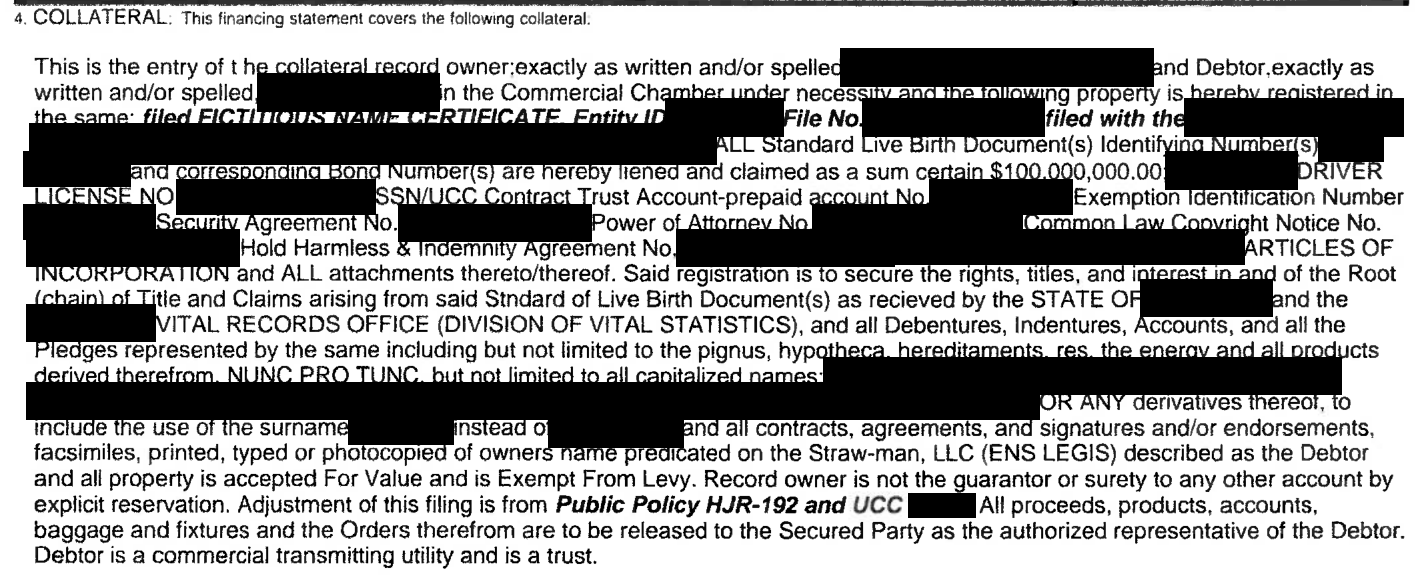
What it claims: Either that it gives the filer control over a secret account tied to their own name, or that it creates a claim against someone else named as “debtor.”
How courts treat it: Filing offices generally record these forms without judging whether they're valid, so a filing proves nothing. Where such filings named federal employees as debtors, a court held: “Because the purported financing statements fail to comply with the requisites of law, they are void and of no legal consequence.” United States v. Greenstreet (N.D. Tex. 1996).
6. Lien or deed recorded against property
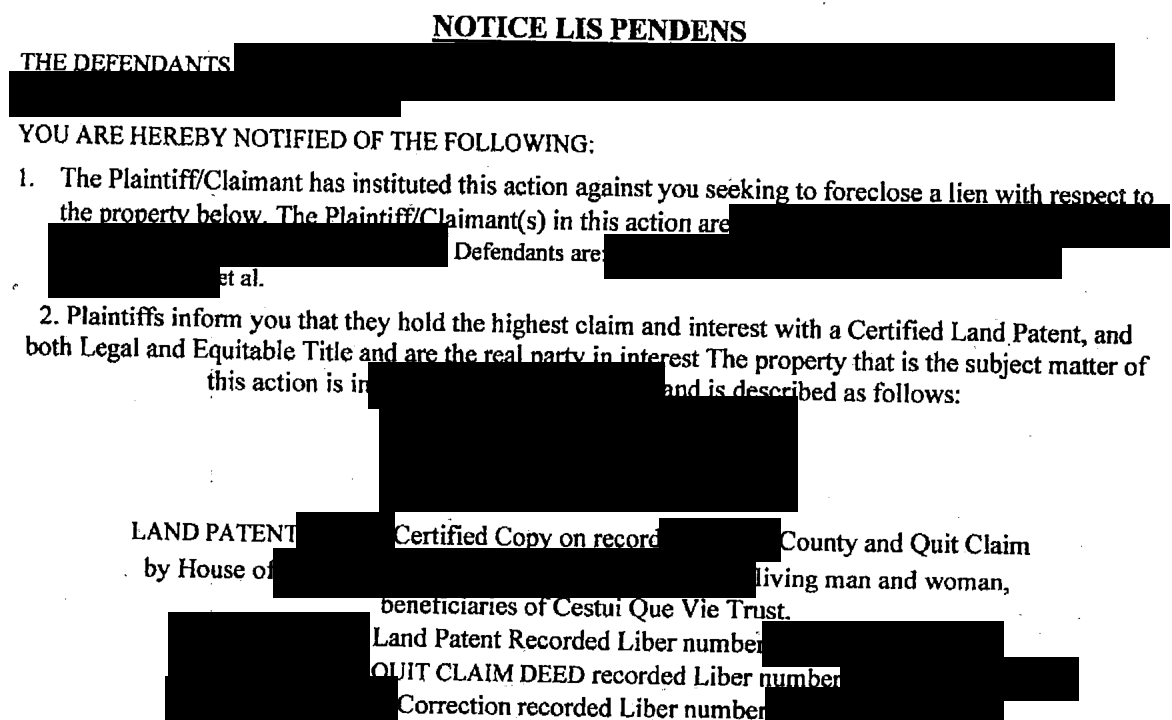
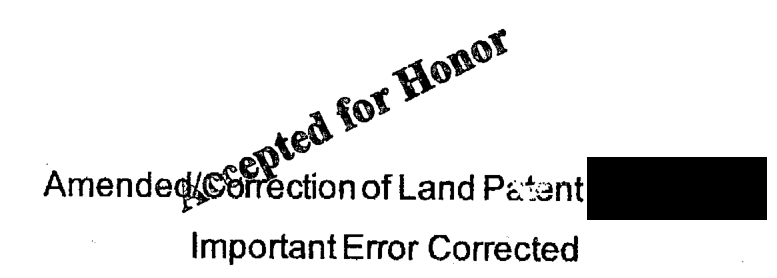
What it claims: That a recorded paper gives the sender a claim on a home or other property.
How courts treat it: These filings can cloud a title until they're removed, which usually takes a court order or a state's expedited process. Affirming a lower court, the Eighth Circuit described its holding that common-law liens filed against property owned by IRS employees “are void and of no legal effect.” United States v. Hart (8th Cir. 1983).
7. Bill of exchange or payment coupon
What it claims: That a homemade payment instrument, or a bill returned with “accepted for value” written on it, draws on a hidden government account and settles the debt.
How courts treat it: It isn't payment, and the debt remains. One federal court noted that “the Bills of Exchange legal theory has been consistently rejected by the courts as frivolous.” Bautista v. Capital One Fin. Corp. (N.D. Tex. 2025).
Templates for these circulate online, and some now appear to be generated with AI tools.
What to do if you receive one
- Keep it, along with the envelope and a note of when it arrived.
- Don't sign it, return it or answer it point by point before getting advice.
- Tell your supervisor, your organization's counsel or your own lawyer.
- Check the public record if it mentions a lien or filing: your county land records and your state's UCC records.
- Report threats to law enforcement.
How SovGuardAI can help
SovGuardAI analyzes a document for recognized sovereign-citizen tactics, shows where each appears, and pairs it with court decisions that have rejected it. The report is a starting point to bring to your lawyer or counsel, not legal advice. For a one-page reference, see our filing markers checklist.